

Kentico Connection 2026 brought us to the Hilton Beachfront Resort & Spa on Hilton Head Island for three days, with two full days of sessions and plenty of conversations by the pool in between. It was a good one.
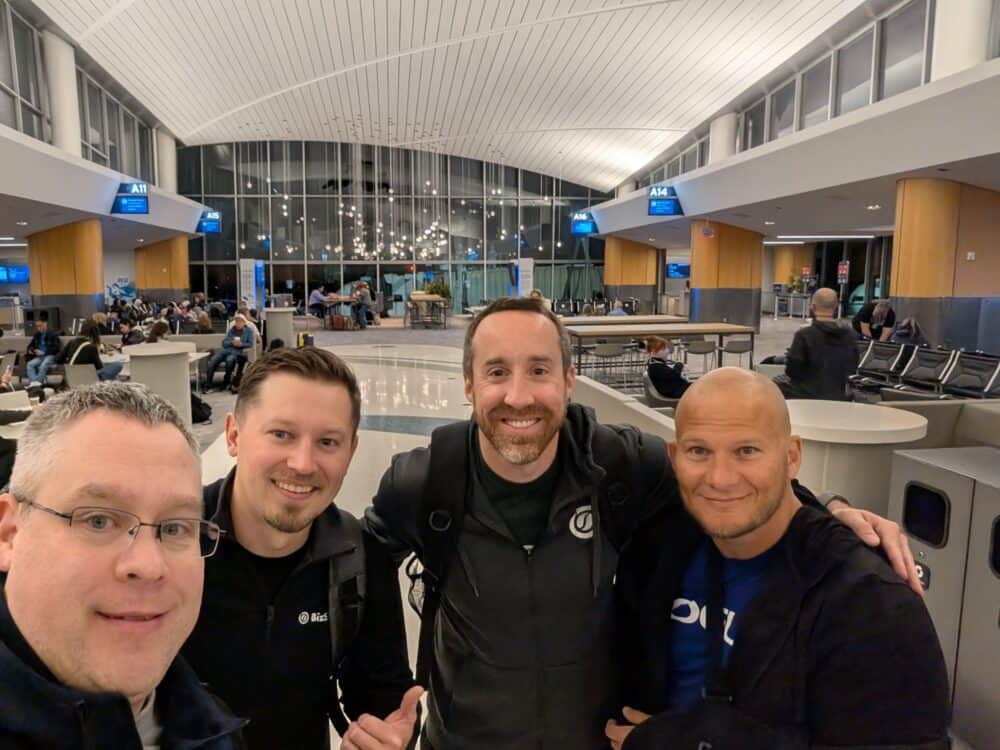
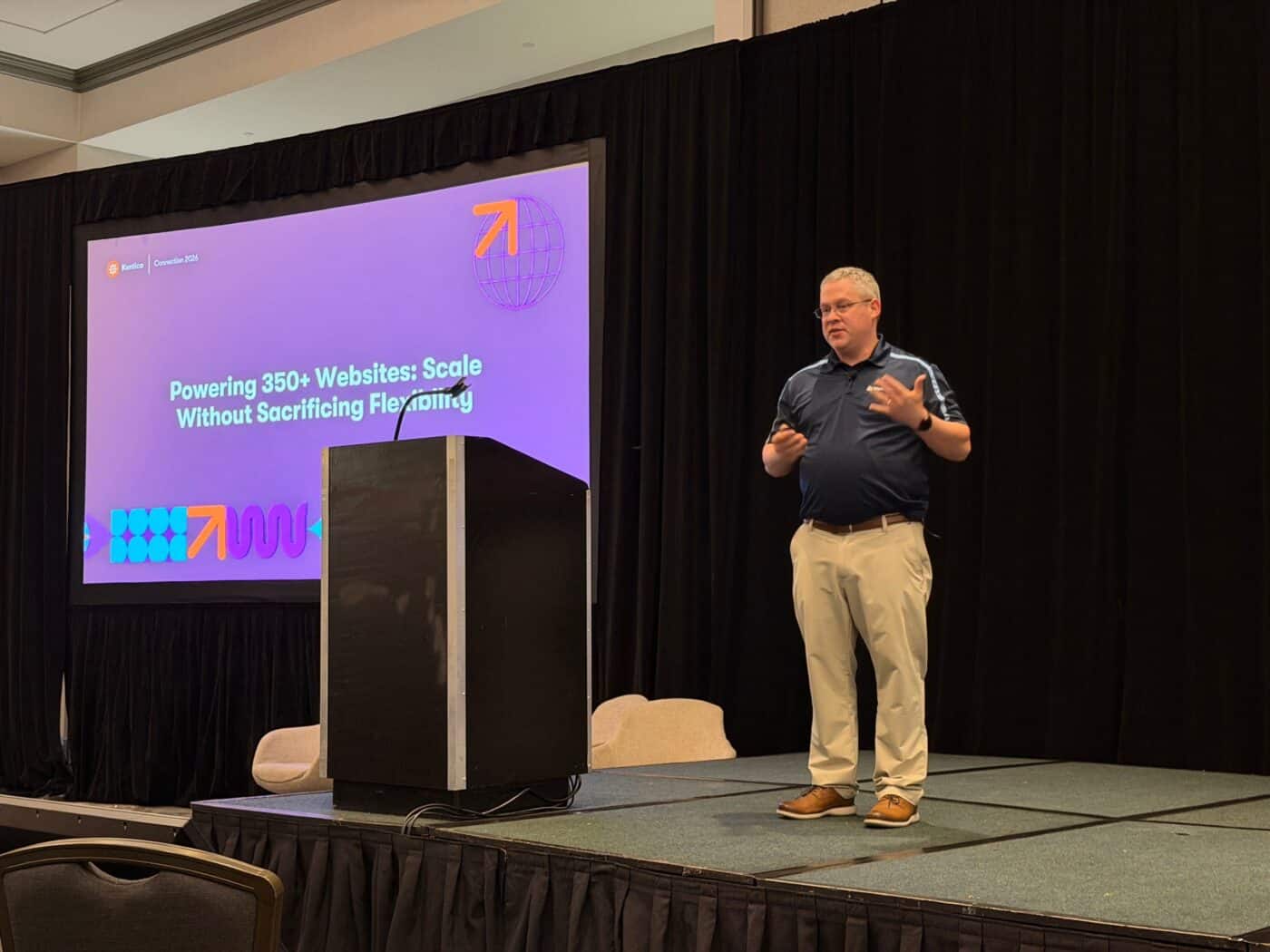
Four of us from BizStream made the trip: Brian McKeiver, Mark Schmidt, Josh Rubino, and me. Brian, our co-owner, had a busy week. He spoke three times: on the day one AI panel, in a business track session on how Franchise Services powers 350+ TeamLogic IT websites from one shared foundation, and in a technical track talk on AI-assisted development. Somehow, he also fit in a 7:00 a.m. run with Kentico CEO Dominik Pinter on his busiest day of the conference.
What stood out to me:
Kentico Connection is Kentico’s annual North American event for its partner agencies, and clients are welcome too. The format is different from most conferences. Kentico invites its top implementation partners, and those partners bring their clients, so the people building on Xperience by Kentico (XbyK) sit in the same room as the people running their businesses on it.
That’s what makes the trip worth it. In one afternoon, you hear the product roadmap, the agency perspective, and what clients are dealing with day to day, and you start to see where those line up and where they don’t.
This year’s agenda included a keynote from Kentico’s CEO, Dominik Pinter, client case study panels, an AI panel, a product roadmap session, and separate business and technical tracks on day two. Most of it was about AI, which wasn’t a surprise, but the best sessions focused on how AI changes what people use the platform for.
Plenty of chatter online says the CMS is on its way out, with AI agents building pages and answer engines replacing the website. After three days with enterprise teams who run real digital operations, I don’t buy it.
Dominik’s keynote shared a few numbers worth paying attention to:
His takeaway was that the website now has two jobs. It has to give the people who still show up a personalized experience, and it has to be the trusted source AI answer engines pull from. Both depend on structured, governed, reusable content, which is exactly what a CMS is for. One partner on a client panel described the CMS as a knowledge hub that feeds the website, the chatbot, the mobile app, and tools like ChatGPT, and I think that’s right.
The client stories backed this up. A global medical device company consolidated roughly 600 scattered domains into one Xperience by Kentico SaaS platform, so a single regulatory approval on a piece of content now flows into multiple digital health apps. A large international law firm moved off a 27-server Sitecore setup to Kentico SaaS and expects to save $1.5 million over five years. If anything, the CMS is doing more work than it used to.
One theme kept coming up from partners, including us: good agencies don’t think of themselves as website shops anymore. We think of ourselves as experience designers for our clients, their customers, and their customers’ customers.
Synoptek, a fellow Kentico partner, had a great name for the problem in their session on Great Parks of Hamilton County, the park district around Cincinnati. They called it experience debt. It builds up when an organization makes a string of reasonable, one-off technology decisions, and the end user pays for it with a disconnected experience. Synoptek started with the journeys of campers, golfers, families, and donors, then built the platform around them. My favorite detail was that their first discovery visit ended with the team filling sandbags to protect an on-site server room from the rising Ohio River. If that’s not a case for SaaS, I don’t know what is.
When your partner thinks like an experience designer, the first questions change. Instead of asking what pages you need, they ask:
Xperience by Kentico is well suited to this kind of work. Content Hub, personalization, customer journey tracking, email, and headless delivery all live in one platform, so the experience you design holds together across channels.
Brian’s technical track talk was called “AI Code Is Slop. Until It Isn’t.” In it, he walked through the levels of AI-assisted development, starting with what he calls Prompt and Pray and working up to full agentic engineering. He also shared his own recap on LinkedIn.
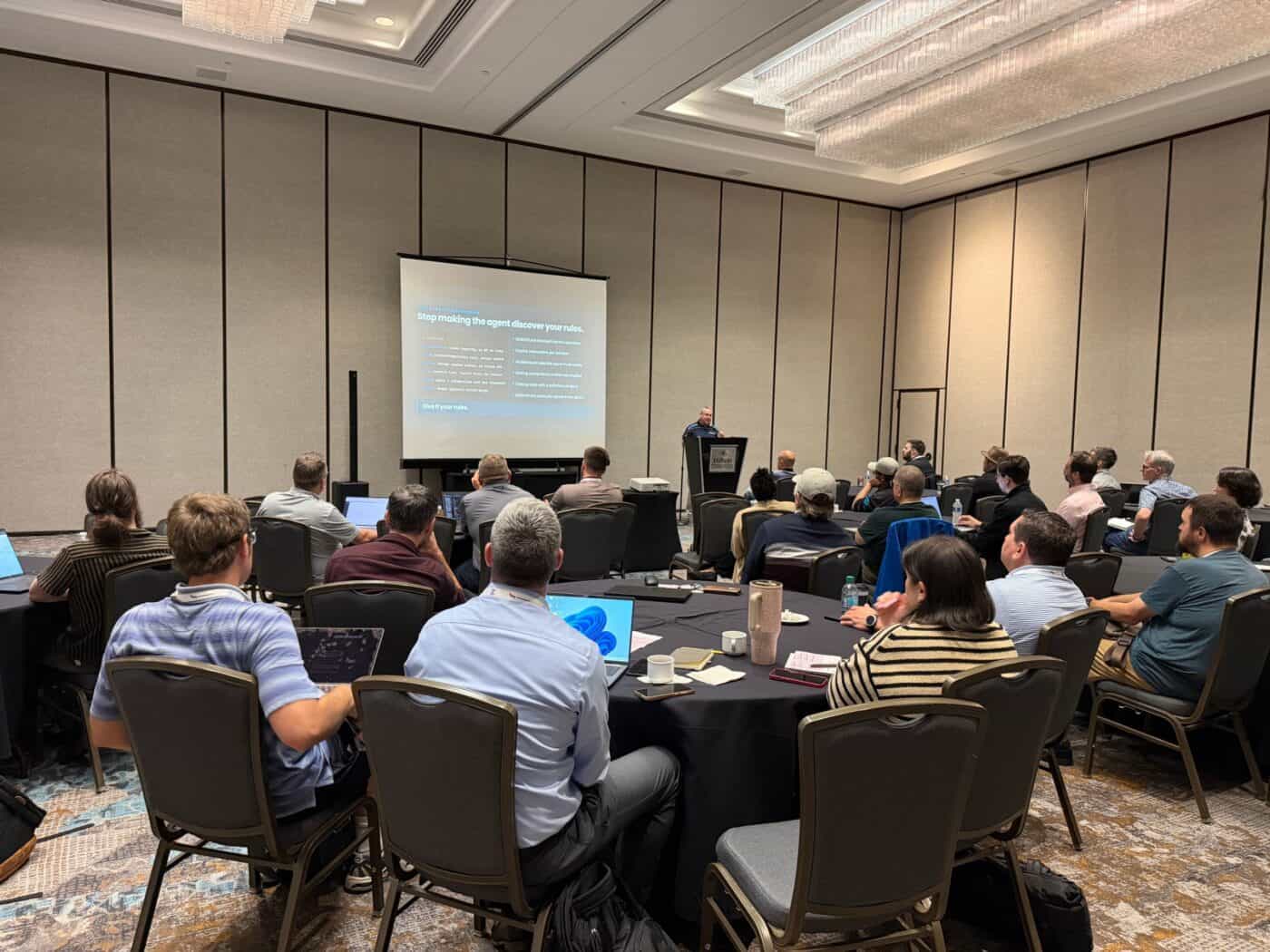
Past level six is the idea of a “dark factory for software,” where software gets specified, built, tested, and deployed with almost no people involved. It came up in a few sessions, and the general read from the room was that nobody is there yet and most partners are wary of anyone who says they are.
Partners are at very different points on this spectrum. BizStream is at level six. Our developers use spec-driven development, orchestrate agents, and review what those agents produce, and that’s how we deliver client projects today. Even so, everyone is still working out where AI saves real time on a Kentico 13 to XbyK migration and where it creates rework.
The day one AI panel came to the same conclusion. Brian joined Dominik and Oldrich Januska from Kentico, along with leaders from Americaneagle and BlueModus, to talk about how AI helps teams do more with the people they already have. The group agreed that AI is great at drafting, research, legacy code discovery, and repetitive work, but it shouldn’t be setting prices, touching production on its own, or deciding strategy.
That last point matters most for clients. As AI speeds up the building, strategy becomes more valuable, because someone still has to decide what to build, why, and for whom. Organizations on XbyK need good strategists now more than ever.
Kentico has invested heavily in AI for both developers and marketers, and what I appreciate is how deliberate they’re being. They’re choosing what comes next carefully instead of rushing out features because a competitor announced something.
Here are the headline pieces:
Kentico laid out its AI roadmap in four stages: AI-assisted, expanded suggestions, AI acts with approval, and eventually self-improving websites. At every stage, people set the boundaries, and an agent never gets more permission than the person it works for. One session on tailoring AIRA called this “smart friction,” and I like that. You want review steps in the right places, not autopilot. You can follow along on Kentico’s public roadmap.
Yes. Native A/B testing is on the way. Kentico hasn’t shared a release date yet, but clients asked for it on stage, so the demand is there. It also fits right into the stage of the roadmap where AI runs experiments with human approval.
This part is hard to explain if you haven’t been there. Every partner agency in that room is technically a competitor, but it feels a lot more like a community. It’s kind of like the NFL. We play against each other every week, but at the league event everyone hangs out, swaps notes, and respects what the other teams are building.

Partners were open on stage about their numbers, their mistakes, and how they work, and the hallway conversations were just as candid. That raises the bar for work across the whole Kentico ecosystem, which is good for every client on the platform.
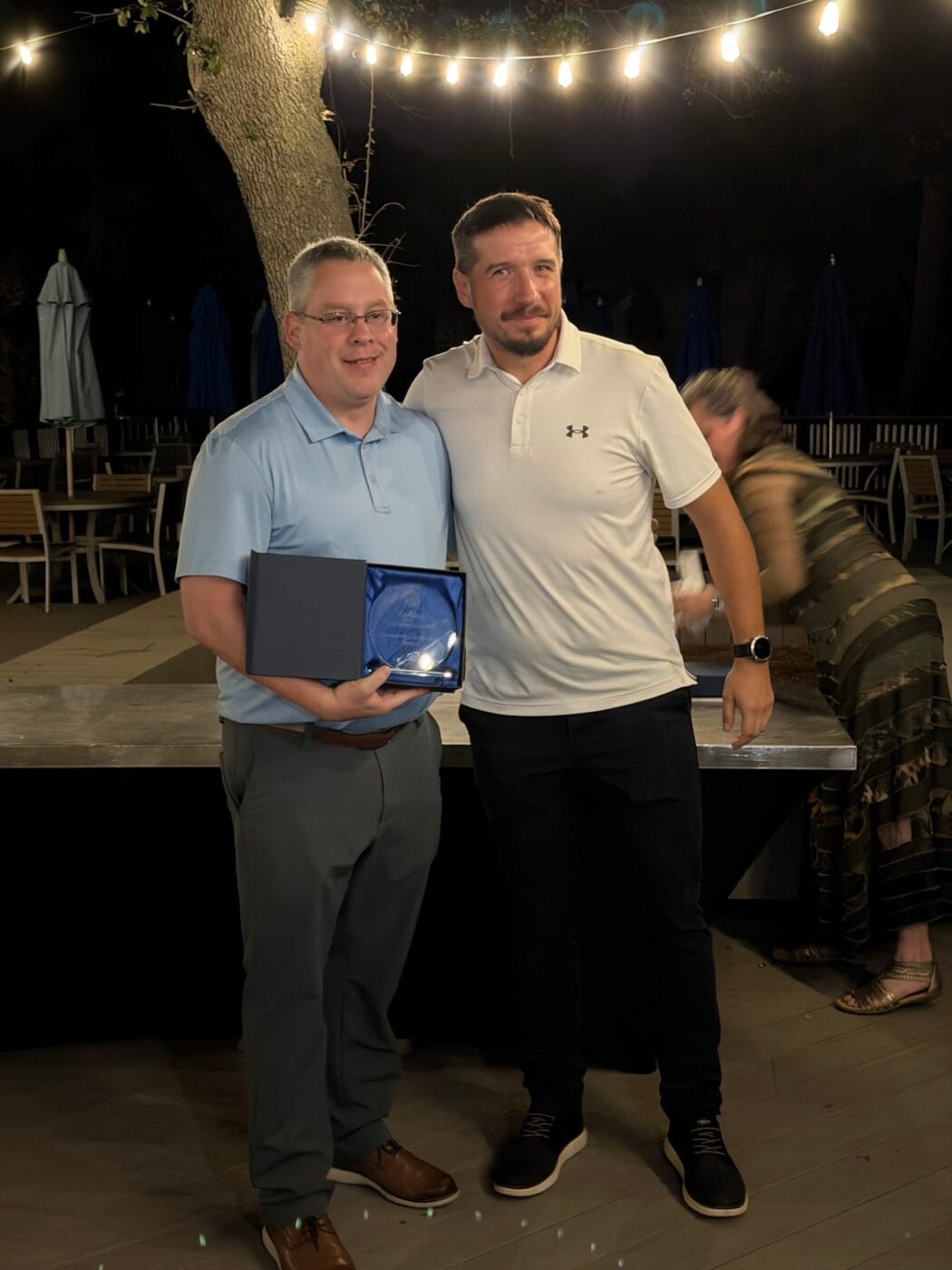
We’re proud to share that BizStream won the Partner Award for Best Community Leadership, announced at the partner awards dinner on the first night. This one stands out to us because it isn’t tied to a single project. It recognizes how our team shows up for the community year after year, and that means a lot.
Kentico did a great job with this event. Hilton Head was a fantastic location, the dinners were excellent, and the agenda balanced the big-picture vision with practical client stories. Thank you to the Kentico team for putting it together.
My takeaways for the organizations using Xperience by Kentico, or thinking about it:
We’re already hoping to be back next year. And if you’re a Kentico client, maybe you’ll join us at our table.
Whether it’s an XbyK migration, AI-assisted development, or putting AIRA to work, our team would love to talk.

Stay up to date on what BizStream is doing and keep in the loop on the latest in marketing & technology.